

Why Children Struggle with Social Skills in the Age of Social Media — And How Etiquette Can Help
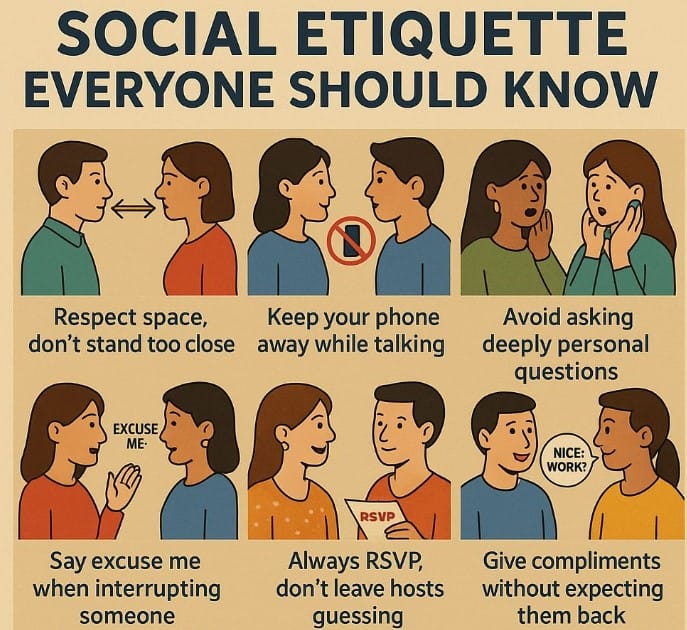
Social media is woven into the fabric of childhood today. From short-form videos and group chats to shared photos and online games, platforms like TikTok, Instagram, Snapchat, and others are deeply attractive to kids and teens. But while these platforms can foster creativity and connection, mounting research shows negative effects on communication, social interaction, and emotional development — especially when usage is heavy, unmanaged, or begins at young ages.
As parents, understanding these trends and equipping children with strong etiquette — both online and offline — is crucial for healthy communication and long-term social success.
Recent Research: The Impact of Social Media on Children’s Communication and Social Development
1. Social media use is linked to changes in cognitive skills. Recent studies indicate that high social media use is associated with reduced working memory and impaired attention in children and adolescents, particularly among those with addictive usage patterns. These cognitive skills are foundational for conversations and problem-solving in real life.
2. Elevated screen time correlates with lower reading and memory scores. Data from the Adolescent Brain Cognitive Development (ABCD) Study shows that children with increasing social media use performed up to 4 points lower on reading and memory tests than peers with minimal use — suggesting that screen-centric communication may impact deeper language skills.
3. Social interactions matter for vocabulary and social competence. Studies tracking early vocabulary development find that human interaction supports stronger language growth than digital media exposure alone. Children with fewer face-to-face interactions and higher screen use tend to develop smaller vocabularies over time.
4. Digital media use affects prosocial behavior. Research involving families shows that higher electronic media use is linked with lower prosocial behavior and weaker emotional regulation, while strong parent-child relationships and emotional skills buffer these effects.
5. Experts and educators observe communication challenges tied to social media exposure. Surveys of teachers find that roughly 9 in 10 educators believe social media negatively affects students’ communication and interpersonal skills.
Understanding the Challenges Parents See Every Day
📉 1. Shortened Attention and Shallow Communication
Platforms built on quick reactions, brief comments, and visual cues may train children to skim rather than engage in deep conversations. This makes sustained face-to-face communication feel slow or uncomfortable.
😶 2. Misreading Social Cues
Without consistent real-world practice, many children struggle with nonverbal cues, such as eye contact, tone recognition, and body language — all essential for building empathy and meaningful connections.
🧠 3. Emotional Regulation Struggles
Frequent social media use — especially when tied to comparison, judgment, or validation through likes and comments — can undermine emotional confidence and resilience in children and adolescents.
👥 4. Difficulty Building Real-Life Friendships
Many parents report that their children feel more comfortable communicating through screens than in person, often leading to awkwardness, anxiety, or withdrawal in real-world social spaces.
How Etiquette Helps Kids Communicate and Socialize Effectively
Etiquette isn’t just about saying “please” and “thank you.” Modern etiquette education builds communication confidence, empathy, and self-awareness — skills that social media alone does not teach.
✅ 1. Teach Respectful Conversation
Etiquette trains children to:
- Listen actively without interrupting
- Respond thoughtfully instead of reacting impulsively
- Use respectful language in disagreements.
These conversational basics foster deeper, more meaningful interactions than quick online exchanges ever can.
✅ 2. Strengthen Emotional Intelligence
Etiquette encourages children to:
- Recognize emotional cues like tone and expression
- Consider how their words affect others
- Practice empathy, even when opinions differ
Emotional intelligence is a core predictor of social success and helps children navigate conflict and collaboration.
✅ 3. Model Digital Etiquette (Netiquette)
Effective etiquette also applies online. Teach children to:
- Think before they post or comment
- Respect others’ privacy and feelings
- Use social media responsibly and with awareness
This reinforces the idea that digital communication should reflect the same respect expected in person, reducing impulsive behavior and misunderstandings.
✅ 4. Encourage Balanced Communication Habits
Promote healthy routines such as:
- Designated tech-free family time
- Shared dinner conversations
- Social activities that foster real-world engagement
When children experience consistent face-to-face interaction, their language and social skills flourish alongside digital literacy.
Practical Steps for Parents
✔ Set Reasonable Boundaries:
Limits on social media use help prevent distraction and support attention skills. Even modest reductions have been linked with improved emotional well-being.
✔ Model Social Skills:
Children learn by example. Demonstrate respectful listening, patience, and thoughtful responses in your daily interactions.
✔ Talk About Online Experiences:
Ask about what your child sees, posts, and feels online. Open dialogue builds trust and reinforces etiquette lessons.
✔ Focus on Depth, Not Just Safety:
Digital literacy includes safety — but also how to communicate meaningfully with peers and adults, online and offline.
Conclusion: Raising Communicators for a Digital World
Social media isn’t evil — it can offer connection and creativity — but research shows its widespread use influences children’s cognitive and social development in complex ways. Some effects may hinder attention, language, and emotional skills when not balanced with meaningful human interaction.
Etiquette gives us a practical, proactive framework to help children thrive in both digital and real-world environments. By teaching respect, empathy, and effective communication, parents empower children to connect more deeply, navigate conflicts calmly, and grow into confident, socially competent individuals.

Comments ()